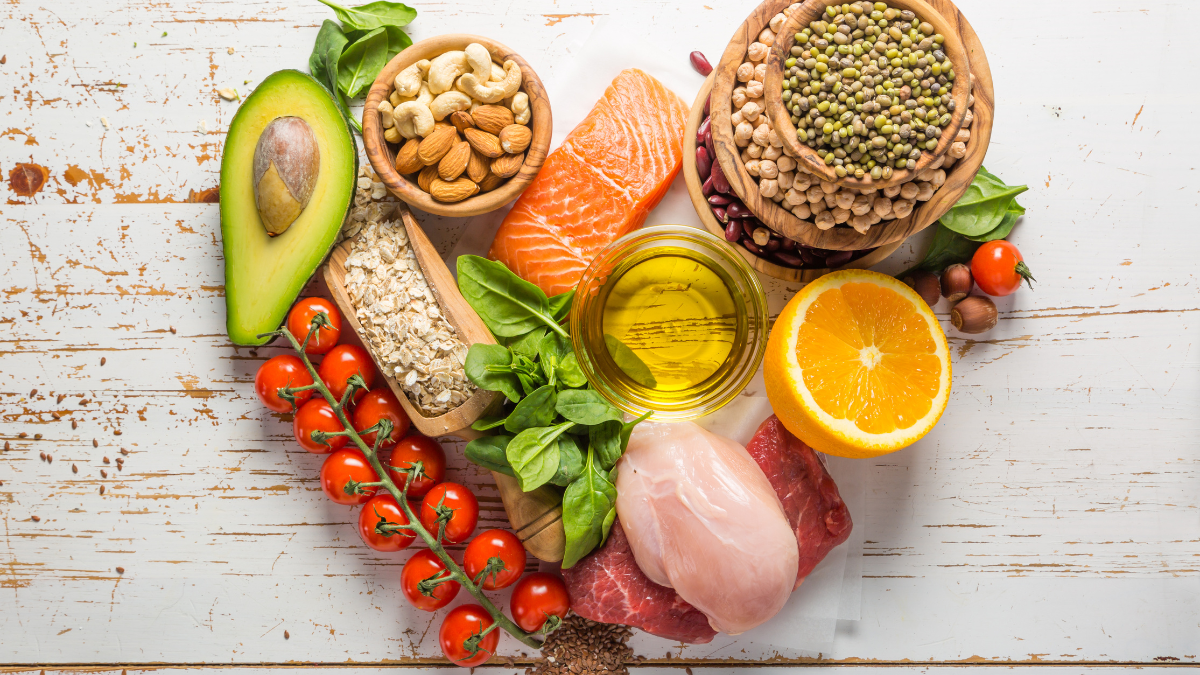
Your gut is more than a digestion machine; it’s a thriving ecosystem of trillions of bacteria, fungi, and other microbes collectively known as the gut microbiome. This community influences everything from your immune response and mood to how you absorb nutrients. Feeding your microbiome the right foods—and promoting a balance of beneficial strains—can translate to smoother digestion, reduced inflammation, and even boosted energy levels.
Cultivating Balance with Fermented Foods
Fermented foods are natural probiotic powerhouses. They introduce live cultures, like Lactobacillus and Bifidobacterium, which help crowd out harmful bacteria and reinforce your gut lining. Aim to add a variety of these tangy, flavorful bites to your meals:
- Yogurt (plain, unsweetened): Rich in live cultures; choose Greek or Balkan styles for extra protein.
- Kefir: A drinkable cousin of yogurt; contains multiple strains of probiotics.
- Sauerkraut & Kimchi: Fermented cabbage loaded with fiber and probiotics; check labels for low sodium.
- Tempeh & Miso: Fermented soy products that add umami flavor and gut-friendly bacteria.
Fueling Good Bacteria: Prebiotic Fibers
Prebiotics are non-digestible fibers that serve as food for your healthy gut microbes. By regularly consuming prebiotic-rich foods, you help beneficial bacteria thrive, which in turn promotes stronger immunity and more efficient digestion. Look for these everyday ingredients:
- Onions & Garlic: Contain inulin and fructooligosaccharides that support Bifidobacteria growth.
- Bananas (slightly green): High in resistant starch—an ideal prebiotic.
- Oats & Barley: Whole grains with beta-glucan that encourages microbial diversity.
- Asparagus & Leeks: Delicious vegetables packed with prebiotic compounds.
Fruits & Veggie Powerhouses to Supplement Your Diet
Even if you eat plenty of produce, busy schedules can leave gaps in vitamins, minerals, and antioxidants. High-quality fruit and vegetable supplements bridge that divide and support gut health by delivering concentrated phytonutrients and additional fiber.
- Beetroot Powder: Boosts blood flow to the gut lining and provides fiber for fermentation.
- Green Superfood Blends: Mixes of spinach, kale, spirulina, and chlorella loaded with micronutrients.
- Apple Cider Vinegar Capsules: May aid digestion and support a healthy pH in the stomach.
- Artichoke Extract: Promotes bile production, helping emulsify fats and ease digestion.
Fiber Supplements to Keep Things Moving
When your diet alone doesn’t hit the daily fiber target (25–38 grams), consider adding a fiber supplement. These powders and capsules offer soluble and insoluble fibers to feed microbes and regulate bowel movements.
- Psyllium Husk: A soluble fiber that bulks stool and eases passage through the intestines.
- Inulin (Chicory Root): A prebiotic fiber proven to increase beneficial Bifidobacteria.
- Acacia Fiber: Gentle on the stomach; supports daily regularity.
- Glucomannan: Derived from konjac root; expands in water to promote fullness and slow digestion.
Practical Tips for Gut-Friendly Eating
• Variety is Vital: Rotate fruits, vegetables, grains, and fermented foods to feed a diverse microbial community.
* Hydrate Adequately: Water helps soluble fiber expand and form stool that moves easily.
* Limit Added Sugars: Excess sugar can feed harmful bacteria and lead to imbalance.
* Cook with Care: Lightly steaming vegetables maintains fiber while making nutrients more accessible.
* Mindful Portions: Start slow with new fibers or probiotics to minimize bloating and gas.
Consistency is Key: Building Sustainable Habits
Gut health doesn’t improve overnight. Aim for small, sustainable changes—like adding a fermented condiment to one meal per day or stirring a scoop of beet powder into your morning smoothie. Over weeks and months, these steps compound, creating a resilient gut lining and a thriving microbiome. Remember, your gut is a long-term partner: give it the variety, nourishment, and time it needs to repay you with better digestion, balanced immunity, and a brighter sense of well-being.